

LSU and FMOL Health | Our Lady of the Lake Award $1.6M to Seven Research Teams
July 08, 2026
LSU and FMOL Health | Our Lady of the Lake have awarded more than $1.6 million in competitive research grants to seven teams from across the state as part of their Collaboration in Action Program, or CAP.
Each of the winning teams is working to solve critical health challenges in Louisiana, including for patients suffering from cancer, trauma, and heart and lung disease. CAP also works to advance sports medicine and performance, as well as medical data science, to bring the benefits of innovation directly to those who need it most.
“Research that lifts lives is the clearest measure of a great university, and these seven teams embody exactly the kind of bold, collaborative work that is propelling LSU forward,” LSU Chancellor Jim Dalton said. “Our partnership with Our Lady of the Lake shows what’s possible when world-class researchers focus their talents on the health challenges facing Louisiana. As LSU pursues its goal of becoming a Top 50 research university, partnerships like this one are how we’ll get there—by turning discovery into real impact for the people of our state.”
“The Collaboration in Action Program is a great example of the innovative and transformative work FMOL Health | Our Lady of the Lake and LSU are accomplishing together through our Championship Health Partnership,” said E.J. Kuiper, President and CEO of FMOL Health. “By bringing together our collective expertise and resources, we’re creating opportunities for discoveries that will improve lives, strengthen our communities, and deliver solutions tailored to the unique healthcare needs of Louisiana and the Gulf South.”
Learn more about the winning teams:
Predicting, Preventing Heat Illness in High School Football Players
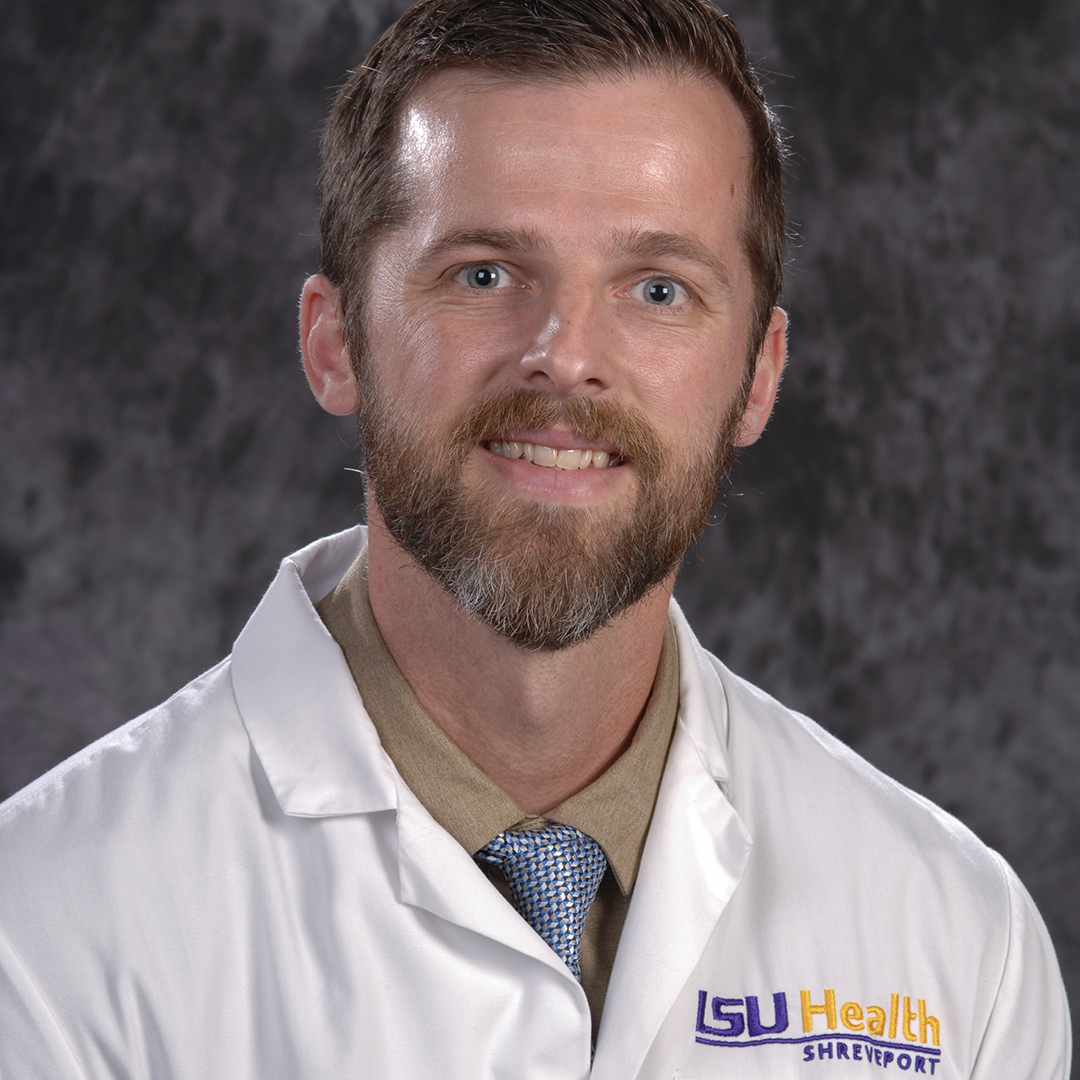
Cory Coehoorn
Heat illness is the leading preventable cause of death among U.S. high school athletes, and Louisiana’s heat worsens the risk. Building on a validated machine-learning system, a team of researchers will receive $210,022 from CAP to gather physiological and environmental data from 100 high school football players using wearable and core-temperature sensors, then develop models to predict dangerous core body temperatures.
The goal is a deployable tool that gives coaches and trainers real-time heat risk alerts.
“Too often, the first sign that an athlete is in trouble from the heat is when symptoms have already begun to appear,” said Cory Coehoorn, director of the Rehabilitation Science Program and associate professor of rehabilitation science and family medicine at LSU Health Shreveport. “This project is designed to help identify risk earlier, before a heat-related illness becomes an emergency. By giving coaches and athletic trainers better information in real time, we hope to improve athlete safety and provide greater peace of mind for families, schools, and communities.”
Coehoorn’s team includes Dr. Peter Seidenberg, professor and chair of family medicine at LSU Health Shreveport; Dr. Miguel Lopez, assistant professor of family medicine at LSU Health Shreveport; and Dr. Travis Currie of Our Lady of the Lake who also serves as the head team physician for Ascension Parish schools. Learn more
Reducing Risk for Chronic Disease: Addressing Both Lifestyle and Socioeconomic Factors
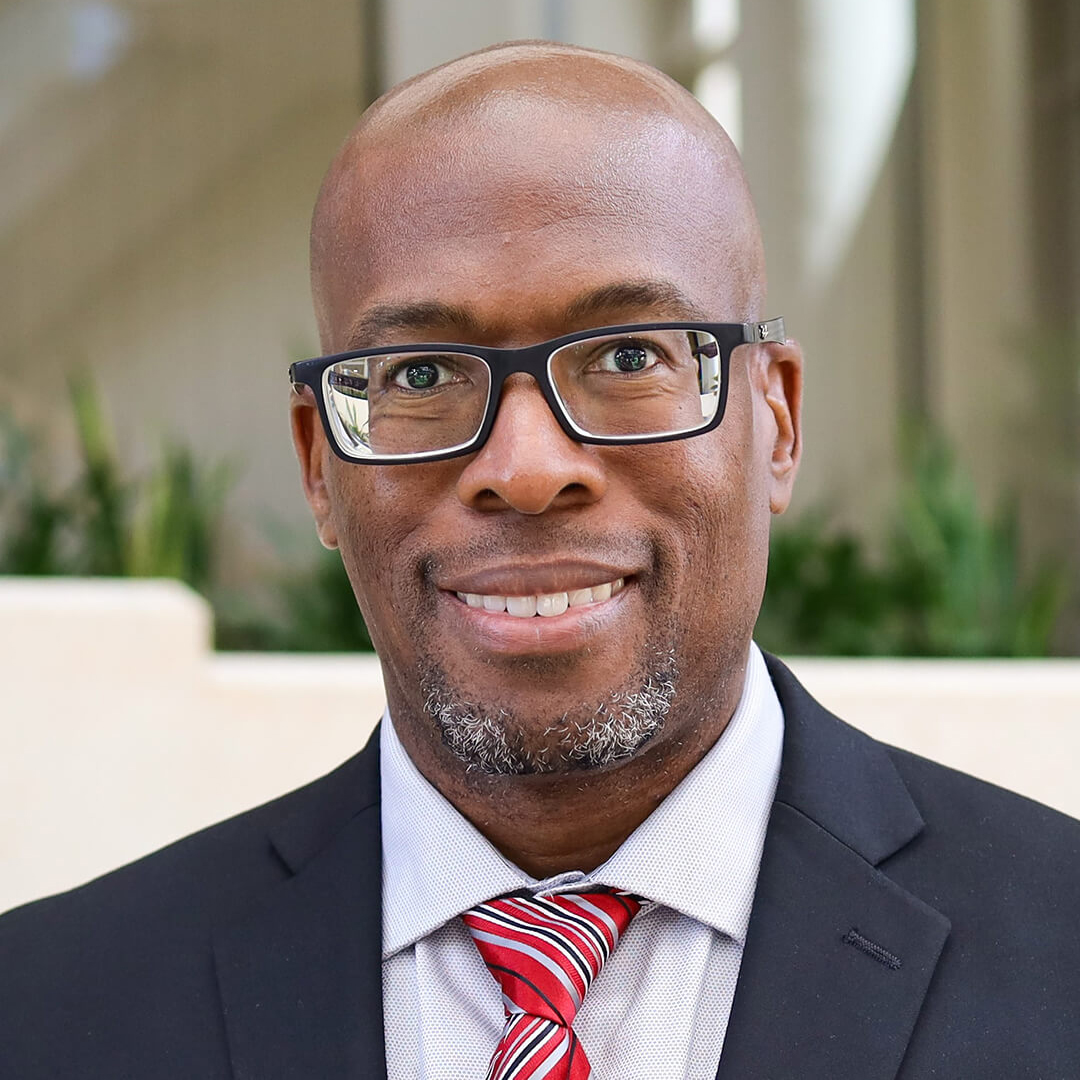
Robert Newton
Non-medical factors such as transportation, food access, stress, and financial literacy are increasingly recognized as drivers of chronic disease—including heart disease, obesity, diabetes, cancer, and dementia—yet few programs have tried to tackle a broad set of them at once. A team of researchers will receive $242,167 from CAP to run an eight-week remote program for Our Lady of the Lake patients with the help of an AI chatbot, hoping to achieve improvements in blood pressure, weight, and stress by tackling social and economic realities alongside personal habits like diet and exercise.
“There is a need to develop more effective prevention interventions for cardiovascular disease, which is the leading cause of death in the country,” said Robert Newton, professor and director of the Preventive Behavioral Medicine Laboratory at Pennington Biomedical. “The findings from our study will determine if intervening on both behavioral and non-medical determinants, along with novel technology, will be effective in reducing risk factors—and it will then serve as a replicable model for addressing other chronic diseases such as diabetes, obesity, and dementia.”
Newton’s team includes Owen Carmichael, professor and director of biomedical imaging at Pennington Biomedical; Bijoyaa Mohapatra, associate professor of communication sciences and disorders at LSU; Reza Ghaiumy Anaraky, assistant professor of computer science and engineering at LSU; Dr. Tiffany Ardoin, associate professor of clinical medicine at LSU Health New Orleans and physician at Our Lady of the Lake; Ibrahim Musa Yola, clinical research scientist at Our Lady of the Lake and assistant professor of clinical research at LSU Health New Orleans.
Mapping How Fat and Liver Tissue “Talk” in Obesity
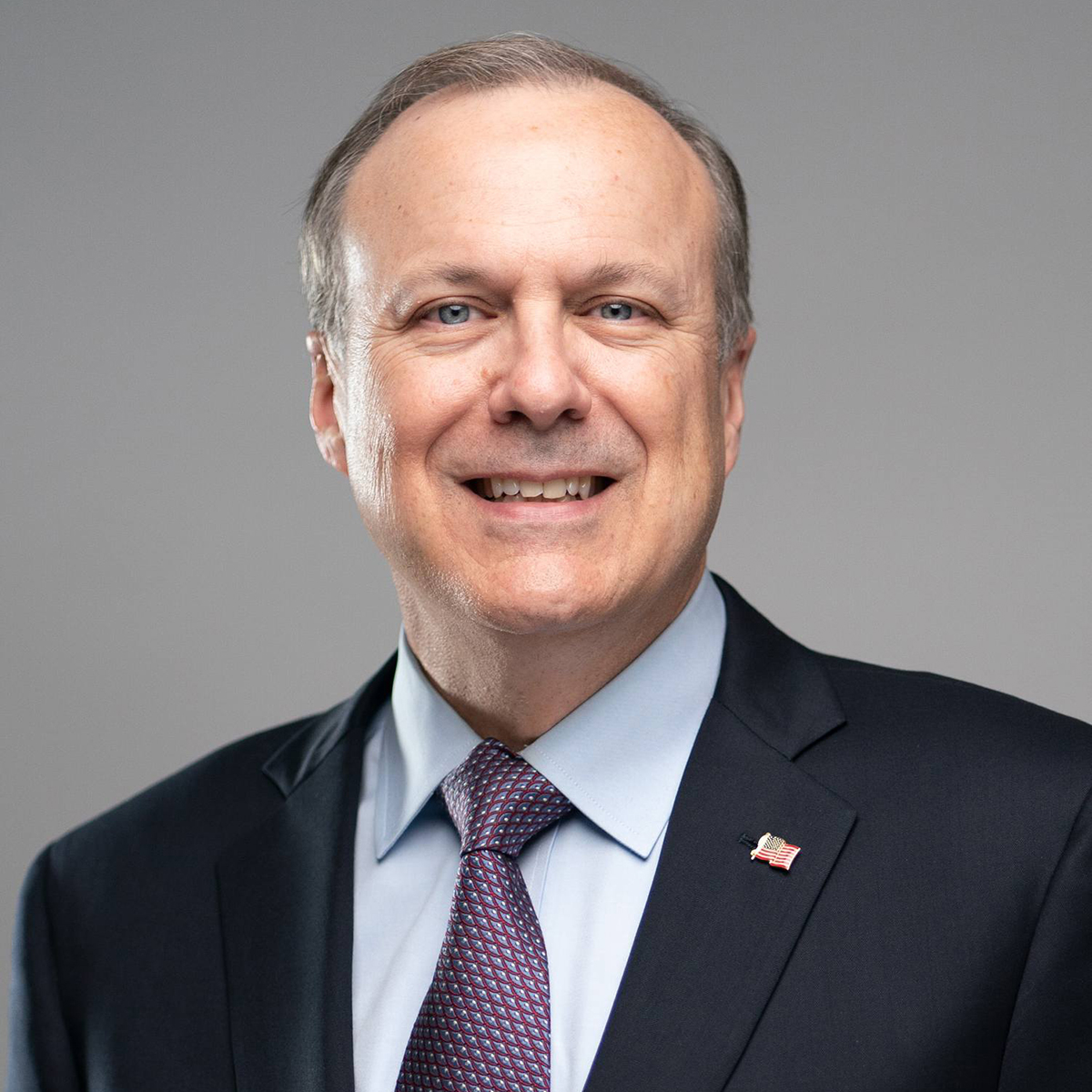
Dr. Philip Schauer
Obesity drives metabolic disease through faulty signaling between fat and liver, but scientists don’t yet understand this communication at the cellular level. Using spatial transcriptomics on paired tissue samples from weight-loss surgery patients in Louisiana, a team of researchers will receive $250,000 from CAP to map this crosstalk and link it to clinical data to find biomarkers and treatment targets.
The goal, a first-of-its-kind atlas, could advance precision medicine for obesity and lay the groundwork for larger NIH-funded studies.
“Traditional approaches have studied adipose tissue and liver in isolation, leaving a critical gap in understanding how these organs interact to drive disease,” said Dr. Philip Schauer, director of Pennington Biomedical’s Metamor Institute with joint appointments at LSU Health New Orleans and Our Lady of the Lake. “Our work will create the first spatial map linking these tissues, enabling the discovery of biomarkers and therapeutic targets that can reshape obesity care.”
Dr. Schauer’s team includes John Kirwan, professor and director of the Integrated Physiology and Molecular Medicine Laboratory and the Louisiana Clinical and Translational Science (LA CaTS) Center at Pennington Biomedical; Dr. Yun Shen, assistant professor of research at Pennington Biomedical; Dr. Vance Albaugh, assistant professor at Pennington Biomedical’s Metamor Institute with joint appointments at LSU Health New Orleans and Our Lady of the Lake; Dr. Jean Domercant at Our Lady of the Lake; and Linglin Xie, associate professor at Texas A&M.
A New Drug Target to Prevent Hard-to-Treat Breast Cancers
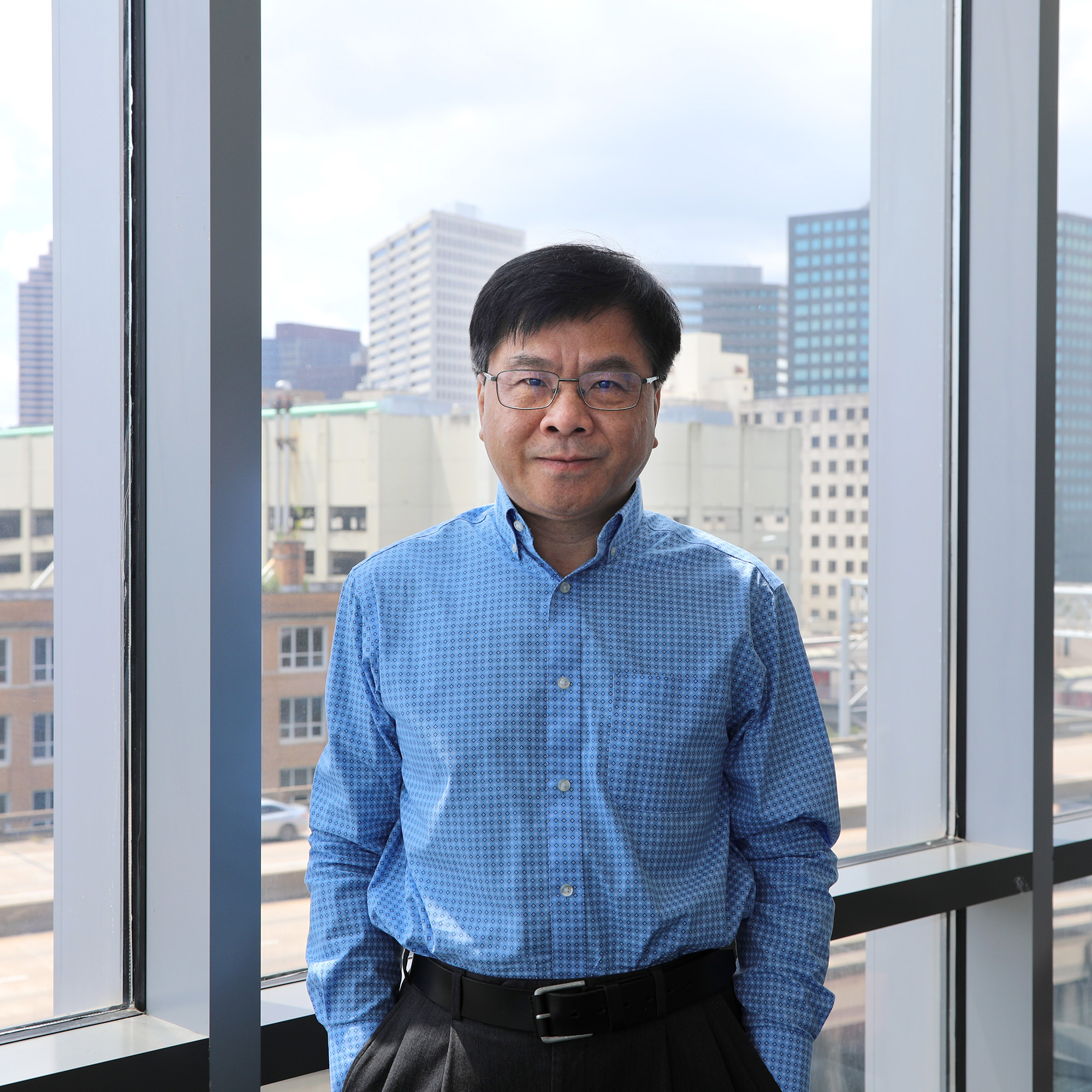
Dr. Qiang Shen
Current breast cancer prevention drugs work only against roughly half of estrogen-receptor-positive cancers and none of the estrogen-receptor-negative ones, leaving most breast cancers—including aggressive triple-negative types—without good preventive options. A team of researchers recently discovered a compound called HJC0152 that blocks a protein named PLIN2 that appears to fuel tumor growth. Supported by $250,000 from CAP, they will now test whether targeting this protein can prevent, even reverse, early tumors safely. Success would open a new, non-hormone-based path to breast cancer prevention. This is particularly relevant in Louisiana, which has unusually high breast cancer death rates.
“Currently available prevention options do not work for the majority of breast cancers, including many of the most aggressive forms of this disease, leaving high-risk women without effective protection,” said Dr. Qiang Shen, professor of interdisciplinary oncology at LSU Health New Orleans and director of the translational oncology program at the LSU-LCMC Health Cancer Center. “Through this study, we hope to develop a completely non-hormone receptor-based path to prevent these cancers by targeting the PLIN2 protein involved in breast cancer development, which will ultimately save lives in Louisiana and beyond.”
Dr. Shen’s team includes several colleagues at LSU Health New Orleans: Jiri Adamec, professor of interdisciplinary oncology; Zhipin Liang, assistant professor of interdisciplinary oncology; Maria Dulfary Sanchez-Pino, associate professor of interdisciplinary oncology; Dr. Shou-Ching Tang, professor of hematology and oncology and director of the Phase I Clinical Trials Program; Dr. Luis Del Valle, associate professor of pathology and interdisciplinary oncology; Dr. Xiao Chen Wu, professor of public health and director of the Louisiana Tumor Registry; and Qingzhao Yu, professor of public health, biostatistics, and data science. It also includes Dr. Marshall Stagg at Our Lady of the Lake; Guoshuai Cai at University of Florida; and Jia Zhou at University of Texas Medical Branch.
Understanding the Body’s Response to a Lifesaving Trauma Procedure
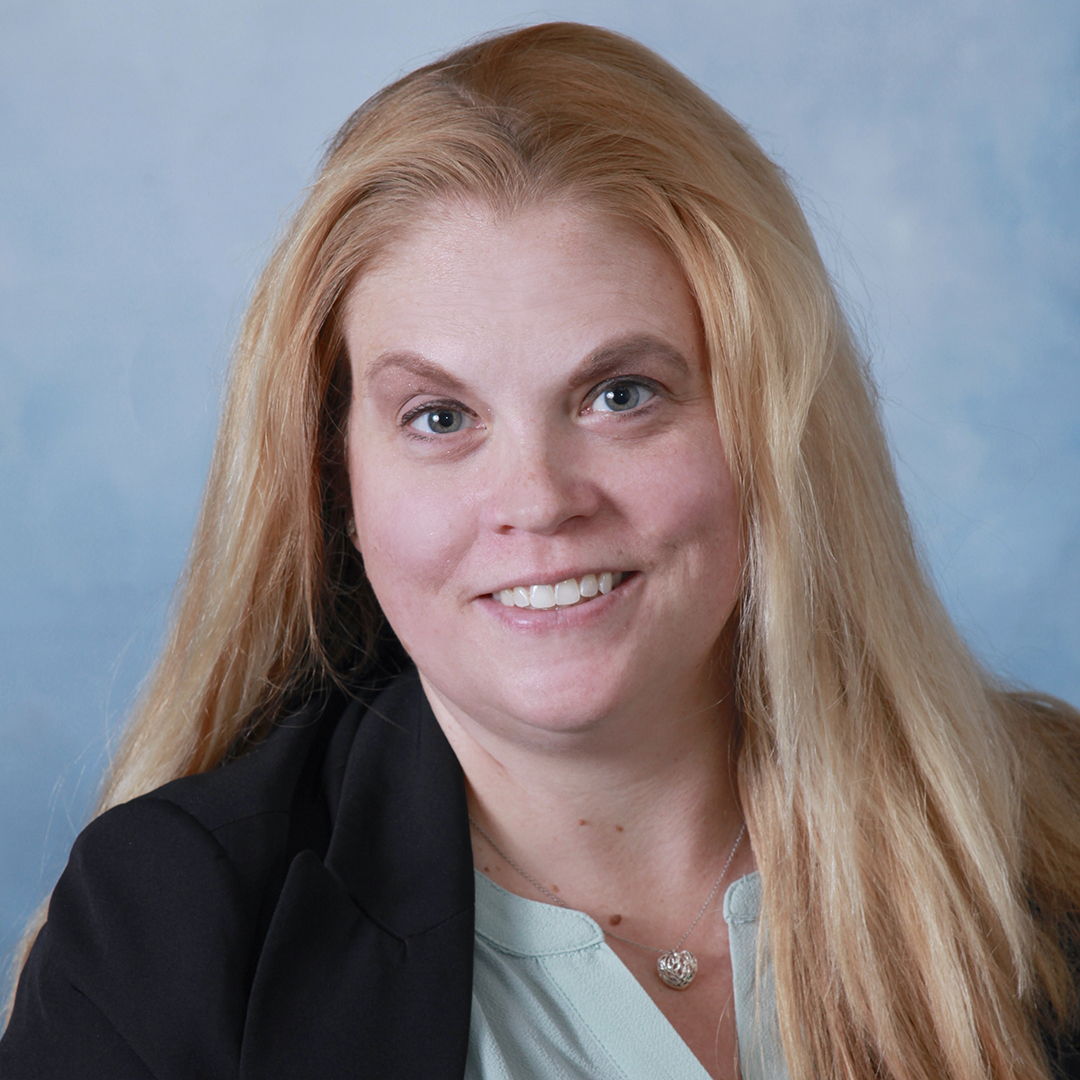
Dr. Alison Smith
Resuscitative Endovascular Balloon Occlusion of the Aorta, or REBOA, is a balloon-based procedure used to temporarily control severe bleeding in trauma patients. Prolonged balloon inflation, however, can starve the organs of blood and lead to organ failure. Little is known about this biological response, especially in patients with traumatic brain injury, leaving doctors without good guidance on safe time limits. A team of researchers will use $208,184 from CAP to measure inflammatory and metabolic markers in trauma patients undergoing REBOA, comparing partial versus complete occlusion and how time affects patient outcomes.
“Hemorrhage shock remains the leading cause of death for trauma patients, and as Level 1 Trauma Centers, Our Lady of the Lake in Baton Rouge and University Medical Center in New Orleans have the responsibility for not only providing excellent care but also leading the way in research,” said Dr. Alison Smith, associate professor of surgery at LSU Health New Orleans. “Our project will provide cutting-edge data to improve outcomes for trauma patients.”
Dr. Smith’s team includes Claudia Leonardi, assistant professor of behavioral and community health sciences at LSU Health New Orleans; Greggory Davis, clinical research scientist at Our Lady of the Lake; and Dr. Richard Lewis, trauma surgeon at Our Lady of the Lake.
Spit Tests to Detect Brain Injury in Football Players
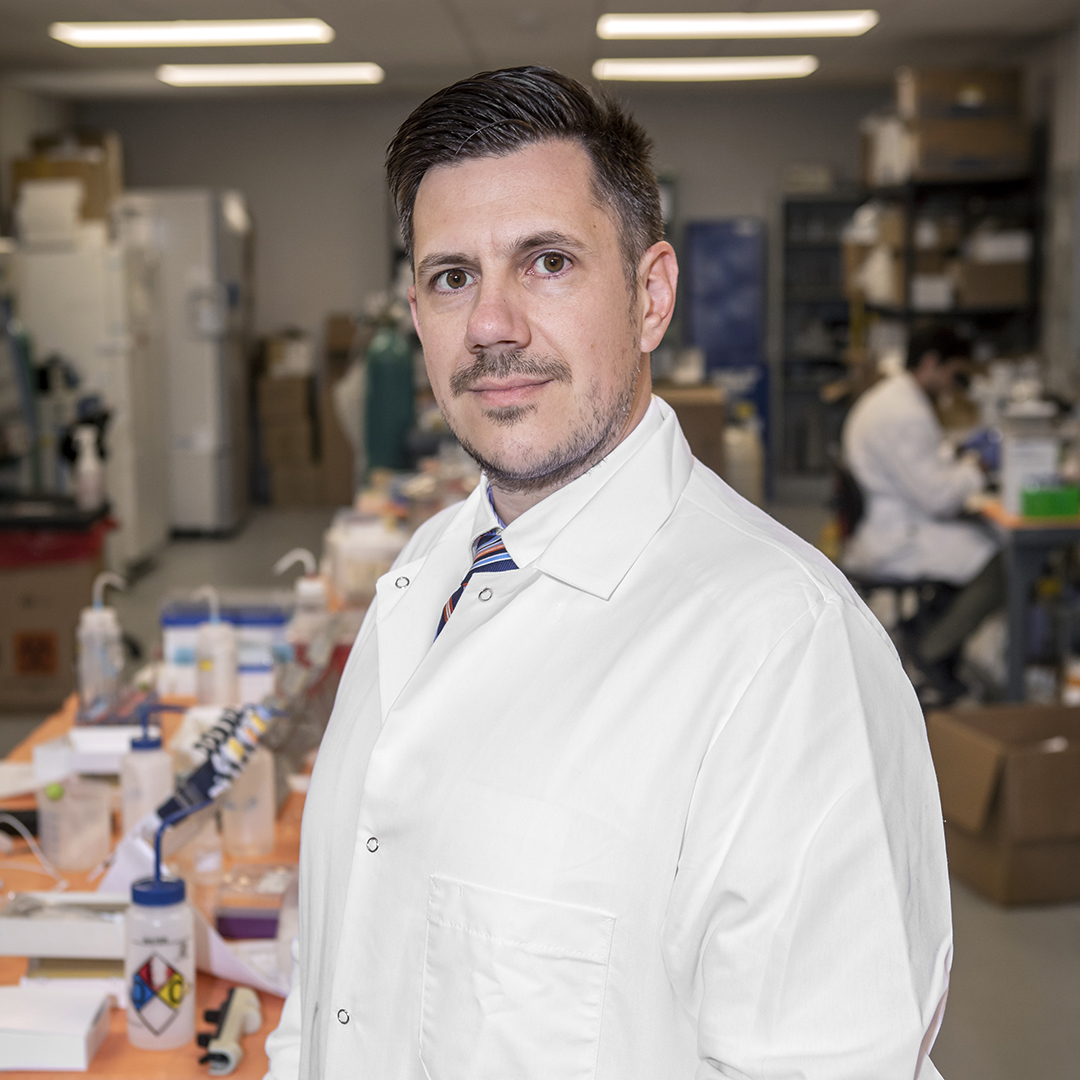
Guillaume Spielmann
Football players face high risk of concussions and repeated head impacts, but current blood-based tests aren’t sensitive enough to reliably detect damage, and frequent blood draws are impractical. Saliva offers a less invasive option that could be sampled often to track brain health over time, yet it’s unknown how salivary markers correlate with concussions. A team of researchers supported by $238,073 from CAP will collect saliva from up to 60 college football players throughout a season—and additional blood and saliva from players who get concussed later—comparing the results against established concussion tests of eye movement and thinking ability. This work could lead to easy point-of-care sensors for monitoring brain health in athletes as well as warfighters.
“Concussions and repetitive head impacts remain a significant concern for athletes, yet we still lack practical tools to detect and monitor brain injury early and accurately in real-world settings,” said Guillaume Spielmann, associate professor of kinesiology at LSU and lead trauma researcher at Our Lady of the Lake. “As part of our newly formed Institute for the Health and Performance of Champions (IHPC), we will investigate salivary biomarkers of mild to moderate brain injury in elite collegiate athletes to pave the way for simple and non-invasive monitoring techniques to help protect athletes and other high-performing individuals, such as warfighters and first responders. This project is the natural expansion of the work conducted by members of the IHPC, and aims to improve the health, well-being, and performance of competitive, tactical, and operational athletes.”
Spielmann’s team includes Neil Johannsen, professor of kinesiology at LSU; Tiffany Stewart, Dudley & Beverly Coates Endowed Professor and director of the Behavior Technology Laboratory at Pennington Biomedical; Dr. Hollis O'Neal, associate professor of medicine at LSU Health New Orleans and medical director of research at Our Lady of the Lake; Dalis Boyette, senior associate athletic trainer at LSU Athletics; Micki Collins, associate athletic director and director of sports medicine at LSU Athletics; and Dr. Kevin Callerame, Dr. Kenneth Civello, and Micah Klumpp, director of clinical research, at Our Lady of the Lake.
Keeping Adolescents Engaged in Sports and Physical Activity
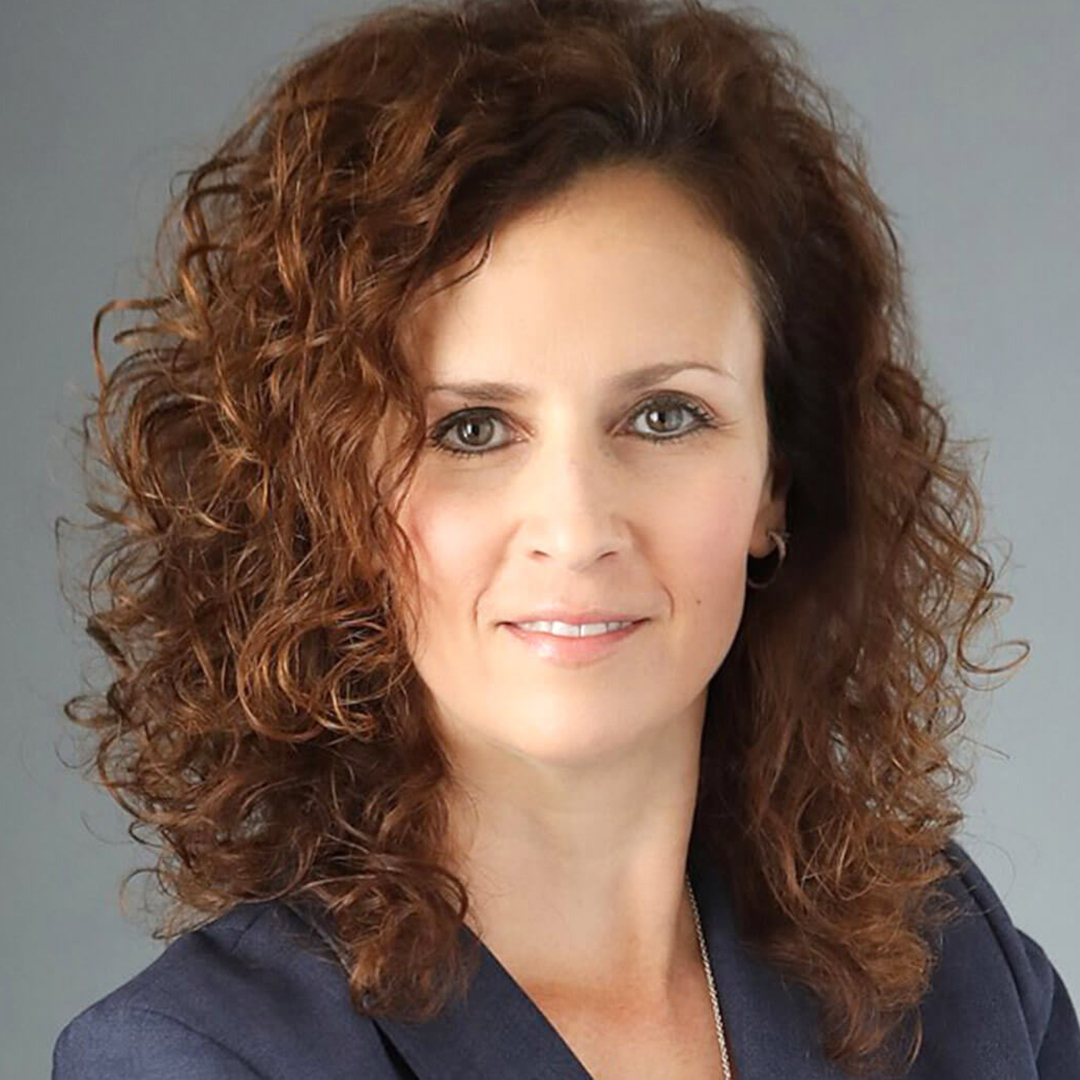
Tiffany Stewart
About one-third of teens drop out of organized sports by age 14, driven by peer and coach pressure, body image worries, and competing demands. A team of researchers will use $242,508 from CAP to study 12-to-18-year-olds in South Louisiana—both athletes and recent dropouts—using fitness tests, screenings, questionnaires, and interviews to find the factors behind staying or quitting.
Their goal is to design programs and policies to lower barriers and increase continued access to sport, leading to better resilience and lifelong health. The team then hopes to scale these lessons nationwide.
“The question isn’t simply why adolescents drop out of sport—it’s what helps them stay,” said Tiffany Stewart, Dudley & Beverly Coates Endowed Professor and director of the Behavior Technology Laboratory at Pennington Biomedical. “Too many young people leave sport at the very stage of life when they stand to benefit from it most. Our research seeks to understand not only why adolescents disengage, but also the biological, psychological, and social factors that help them remain connected to sport in ways that promote resilience, mental health, and lifelong wellbeing.”
Stewart’s team includes Ryan Hulteen, assistant professor of kinesiology at LSU; Neil Johannsen, professor of kinesiology at LSU; Guillaume Spielmann, associate professor of kinesiology at LSU and lead trauma researcher at Our Lady of the Lake; Samuel Stroope, professor of sociology at LSU; Shelly Mullenix, senior associate athletics director at LSU Athletics; and Hollis O’Neal, associate professor of medicine at LSU Health New Orleans and medical director of research at Our Lady of the Lake.
About the Collaboration in Action Program
The Collaboration in Action Program (CAP) is a strategic research initiative between Championship Health Partners LSU and FMOL Health | Our Lady of the Lake. The grant program aims to advance interdisciplinary, collaborative research addressing critical health challenges in Louisiana—including cardiovascular disease, oncology, trauma and neuroscience, chronic respiratory disease, medical data science, and sports medicine and performance. CAP is part of the larger Championship Health Partnership, a first-of-its-kind, long-term, healthcare-focused partnership that brings together both organizations’ talents, resources, assets, and brands to create lasting impact for Baton Rouge and the state of Louisiana. Learn more about the transformative partnership: lsu.edu/healthcare-partnership
Read more
Early Research Impacts: Catching Up With the Inaugural Collaboration in Action Teams
LSU BAE Professor Receives CAP Award for Cardiovascular Research with Our Lady of the Lake